Looking Outwards 2

LookingOutwards — alex_mallard @ 4:43 am

Hacked Knitting Machine

Andrew Salomone basically hacked a knitting machine from the 1980’s in order to control what the machine prints. He says in the video that he uses a couple different codes in python (another coding language) to convert photos into pixelated images that are then converted into the format of the machine. The machine controls two different colors of thread and by switching between the two threads can knit images into the fabric, which can then be taken off and sewn together to form sweaters or other knitted items. My personal favorite of his projects is the Cosby sweater project; I sincerely hope that Bill Cosby does agree to wear that sweater. View the video here.


Seating Habits

This informative and interesting infographic (alliteration!) maps out the various seating preferences of students in a particular MIT class for the summer semester. It shows each students seat in each class, and throughout the classes you can see bonds develop between students as they decide where to sit. Some students move around, from row to row, or from seat to seat, while others find a home and stay in it for the majority of the semester. You can also select certain students to see a smaller group of individuals and their seat choices. All that is said about who created this project is that it was designed and coded by skyrill.com.


Looking Outwards

LookingOutwards — jennifer_moreci @ 4:17 am

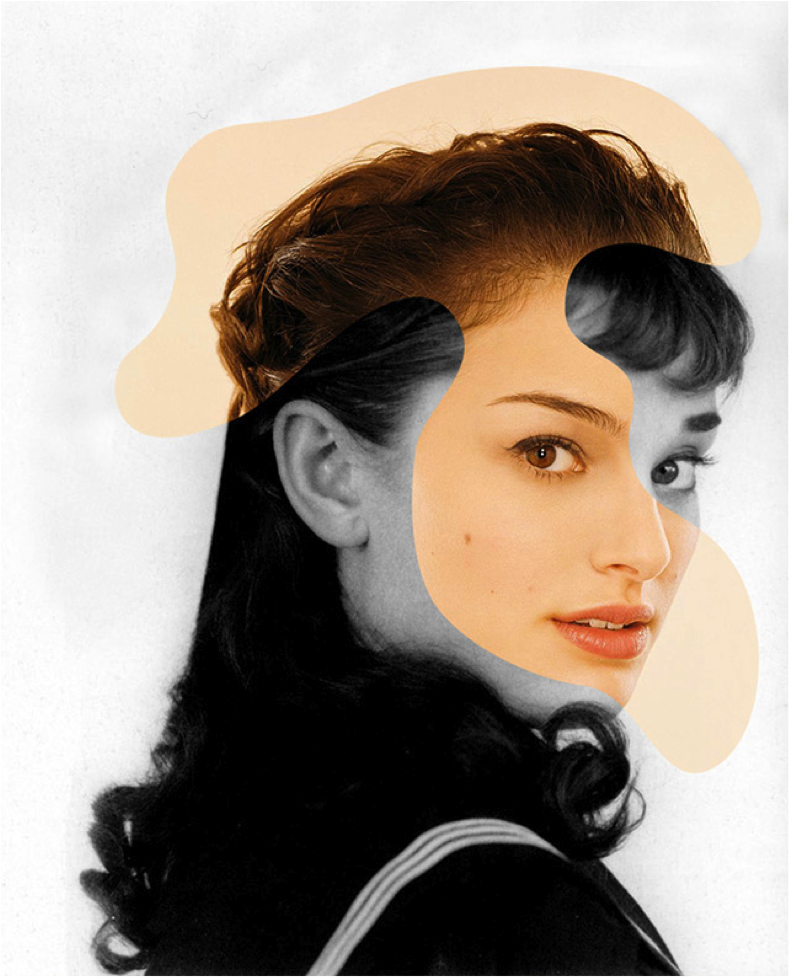
Today and Tomorrow, by George Chamoun, composites the images of old and new movie stars to create one single image.  The unification of the celebrities creates an intriguing dialogue between past and present.  It raises the issues of what is “desireable”.  It’s somewhat shocking to see how perfectly they overlap, its quite a comment on how what is considered beautiful hasn’t changed that drastically.  It’s also quite and interesting effect to be switching between two personas, shifting between Natalie Portman or Audrey Hepburn.


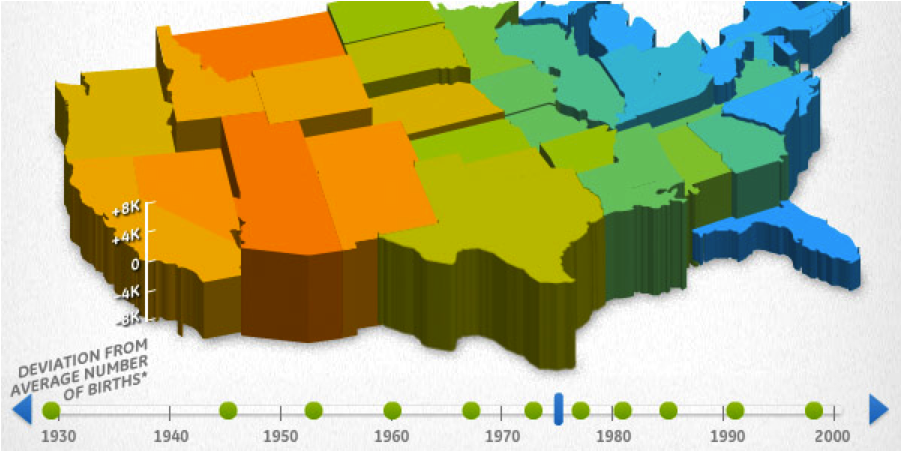
While this work, Historical Snapshots of Birth Trends by The Barbarian Group, is very interesting as far as how its focusing the information- what contributes to birth rates in different eras- I am more interested in the idea of creating image out of data.  This new trend of visualizing all the data or statistics available on the Internet is one of the best ways to possibly use it as a resource.  These maps have the ability to create relationships between seemingly disparate parts as well as be informative or entertaining.


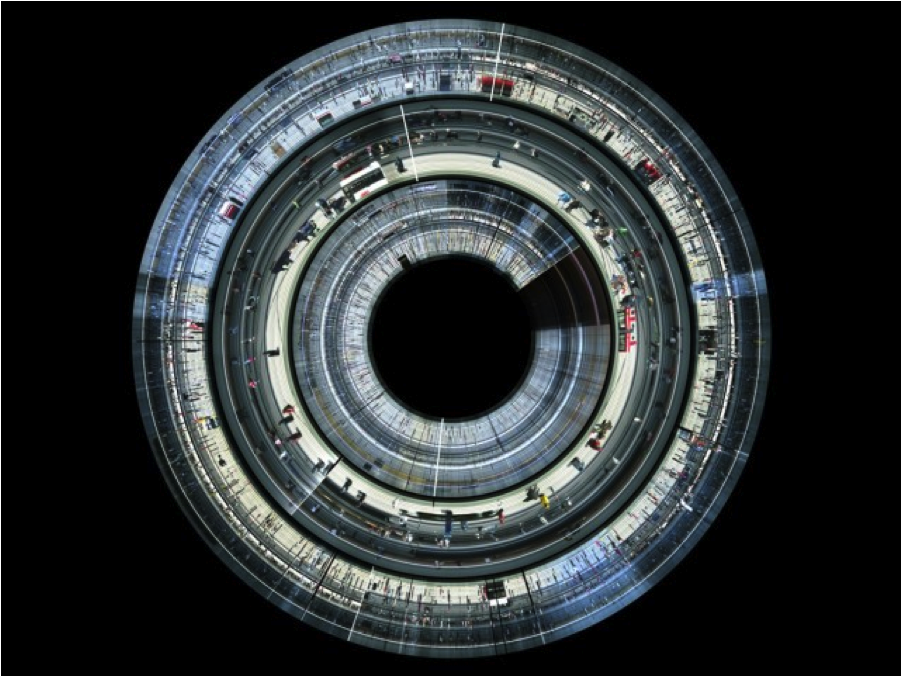
LastClock by NewMediology highlights ones of my favorite issues- that our conception of time is completely constructed.  This piece synthesizes new symbols or representations of time- live video feed, images, and of course actual seconds and minutes.  The image of the clock is stunning, as well as its overall concept.


Looking Outwards 3 – Eric Mackie

LookingOutwards — eric_mackie @ 3:08 am

“Soak, Dye in Light”

I relate eyeware’s “Soak, Dye in Light” to digital painting in the way that it transforms a hands-on artistic process or media into a digital/electronic. I enjoy how the user physically becomes part of the work, pressing their parts into the canvas in order to make splotches of color. I am not completely interested in the visual result, but more so the process of how the canvas is filled. I feel as though more exploration and experimentation with what different actions do to the canvas would result in a project that is more capable of producing calculated, aesthetically satisfying result.

SOAK from everyware.kr on Vimeo.


“Cinemetrics” by Frederic Brodbeck

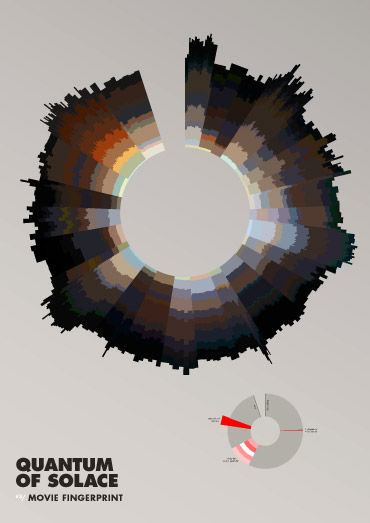
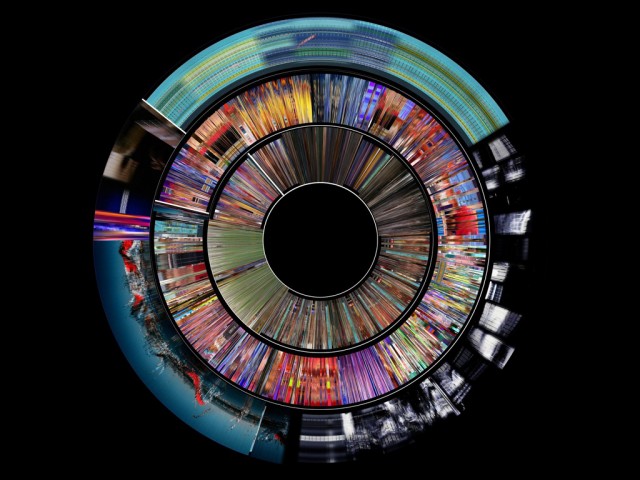
Brodbeck’s “Cinemetrics” is one of the most interesting and relatable forms of data visualization that I have seen recently. It breaks movies down by chapters, prominent color palettes in shots and throughout the film, and then depicts the amount of motion/action in each set of shots. I feel like the program is so successful because of its capacity to describe movies and genres of film visually without showing clips or previews and without written description. Another facet that makes the project so successful is in the nature of movies beings so accessible to the public. It is incredibly likely that a viewer of “Cinemetrics” is to have seen or heard of a movie featured in the program, making its use relatable and interesting to a broad audience.

http://cinemetrics.fredericbrodbeck.de/

cinemetrics from fb on Vimeo.


 James Alliban’s “Composite”

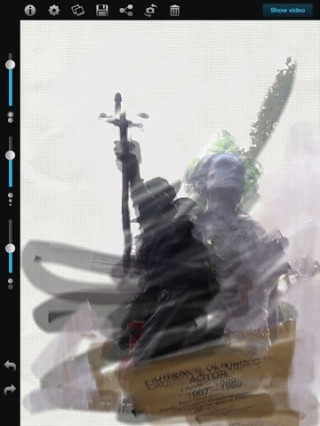
“Composite” is software designed by James Alliban which utilizes the iPad to stylistically paint images received on the hardware’s camera. I was initially really interested in the idea of how this software is an example of the idea of art transforming from something only done by few to something widely available, and possible on-the-go (given the right software and materials). The initial screens that I saw of the software in were shown, it seemed to become more and more like just another photo-editing process to me (which, in essence, it is). For me, whether or not the visual result of “Composite” is successful as art depends on how distant the user can make their “painting” from the actual picture.action (the sketch of the statue seen early in the video) impressed me, but as more features of the software

Composite from James Alliban on Vimeo.


Kulbuto [Quarz Composer, Sound]_3

LookingOutwards — sarah_keeling @ 2:57 am

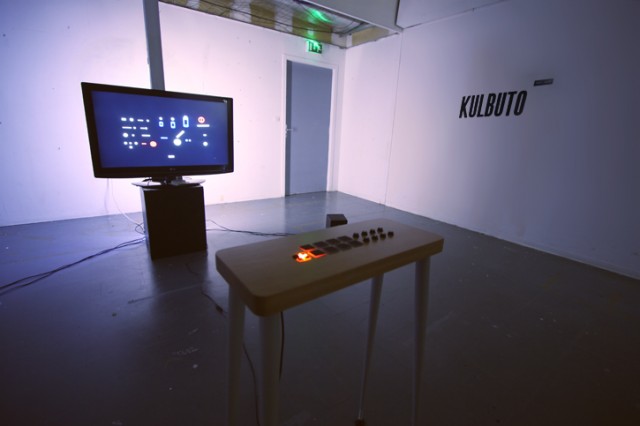
Émile Sacré created Kulbuto which is an installation of an instrument that creates visualization of the sounds made. Kulbuto explores the “possibilities of non-uniform compositions” by integrating both the sound created from the instrument to create visuals and then using the visualizations to create the rhythmic cycles.   Kulbuto is based on the “principles of changing rates” which determines the graphics and how they develop over time. I found the  aesthetic of this piece to be very interesting and appreciated the inter-relation of the sound and visual aspects rather than just on affecting the other. The installation looks inviting and fun to engage with.


http://www.creativeapplications.net/sound/kulbuto-quarz-composer-sound/


Looking Outwards 3 – Keith Lafuente

LookingOutwards — keith_lafuente @ 2:54 am

Introspectre, Octocoupler, Dromolux – Ludwig Zeller

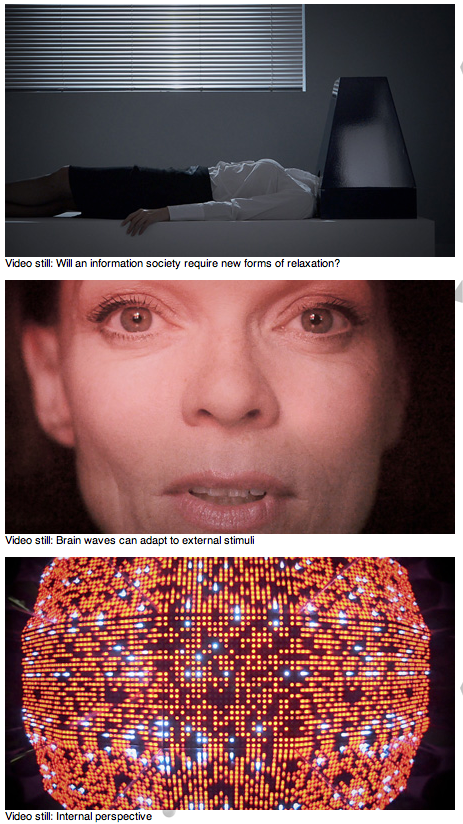
These projects provide technological solutions to human enhancement in the future. Introspectre is a machine that transmits, through sound, brain activity, allowing the user more insight on his or her cognitive processes. The Dromolux, when combined with specific medication, is used to help patients with dementia (or just the general population) train their brains to function at an increased level. The Octocoupler is a “depressant” that is completely electronic, aiming to relax the user just as other consumable depressants do. These projects are interesting in the way they experiment with theexplore the possibilities of technological and human cognitive interaction.


Necomimi Neurowear

Necomimi by Neurowear is an electronic appendage that, through an EEG, reads the user’s brainwaves and communicates emotion through the movement of plushy cat ears. This prosthetic is a surprising and amusing way to engage both technology and pop culture. I am interested in this project because it brings up questions about the future possibilities of the intersection between technology and fashion, as well as the possible impact of technology on human communication. I do have a few qualms – its too cutesy, and can people really understand these apparatuses?


What it is Without the Hand that Wields it Riley Harmon

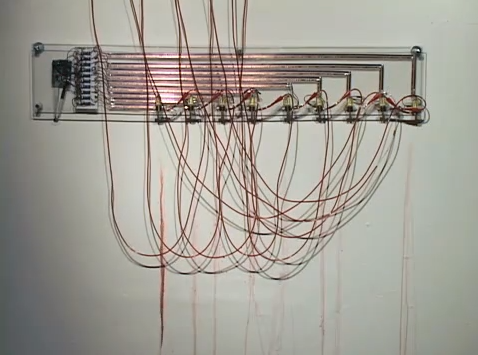
This is a kinetic sculpture that is connected to the first-person shooter game Counter-Strike. Every time a character is killed in the game, the sculpture spurts a squirt of fake blood. In a culture brimming with violence, both simulated and actual, this piece is a relevant and engaging piece that deals with how violence is portrayed in our society. It acts as a tangible, physical reminder to the sort of accepted, yet secretly perverse, actions that have become common in gamer culture. I only wish that the fake blood was real blood.

Looking Outwards 3, Claire

LookingOutwards — claire_gustavson @ 1:27 am

Soak, Dye in Light, everyware
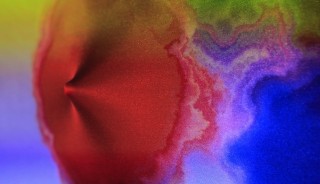
“’Soak, Dye in light.’ by everyware (2011) is an empty canvas but when you touch it, its elastic surface stretches and gets suffused with projected vivid colors mimicking fabric absorbing dye. Poking and rubbing with hands or resting their body on this spandex canvas allows visitors to soak this canvas in virtual dye and create own patterns.

Dying fabric is a time-honored tradition of humankind. Local materials such as herbs, flowers, rocks, juice of animals or shells have been used through the dying process. Especially in Korea, people have deep affection toward the unique colors and textures of fabric dyed with traditional materials. Now in the age of new media, we tried a whole new way of coloring fabrics with the essential materials of new media, ‘light’ and ‘interactivity’. Also, as a meta-creative interactive installation, ‘Soak’ can be expanded for creating garments with personalized patterns or textile productions using today’s digital fabric printing technologies.”

I found the integration of old-time aesthetics with new-age technology to be particularly relevant. While the progress of visual discourse is of course interesting, there is something very tactile about this work. The combination of contemporary practice with historical style is seamlessly fused in this work, and, to me, it is this balance that creates interest.


One Perfect Cube, Florian Jenett
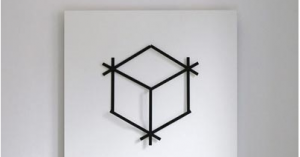


In this piece, Florian Jenett has created a series of three clocks which “form a sign every 12 hours for exactly one second.” (florianjenett.de) It is a complex system which aligns all the clocks and allows the cube moment to occur. “To be able to try different symbols and texts to embed into “One Perfect Cube” a custom layout software was built in Processing. It allows one to freely place, scale and adjust time on a multitude of clocks. Every time a clock is added or changed the software would check for possible collisions between the clocks and would arrange the clocks on different yet as few as possible layers to allow the hands of two clocks to pass one another. A virtual master clock can be used to test the sculpture at different times.”

While this piece is quite simple aesthetically, I think it is an elegant concept and an interesting application of processing outside of purely web-based work.


One Hundred and Eight, Nils Völker
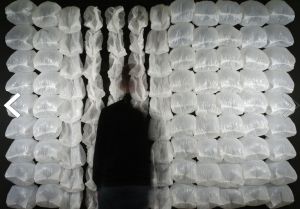


Controlled by an Arduino and Processing, Nils Völker created an installation with wall-mounted plastic bags which respond to the location of the viewer. Each of the bags is selectively inflated and deflated in turn by cooling fans, creating a fluid organic motion. When the viewer enters the space, the bags draw back and respond more tentatively to his or her motions.

The simplicity an elegance of this piece is perhaps the most interesting element. The way that something a simple as application of a fan can transform something like a plastic bag into an organic element is compelling. Furthermore, I have become more interested in real-world applications of processing and other methods of programming that we will learn in this class. I am not particularly interested in purely computer-based work, however the application of the skillset that we are learning into interactive installation feel like something that could potentially become a part of my practice.



Invisible Cities [Processing]_3

LookingOutwards — sarah_keeling @ 5:32 pm

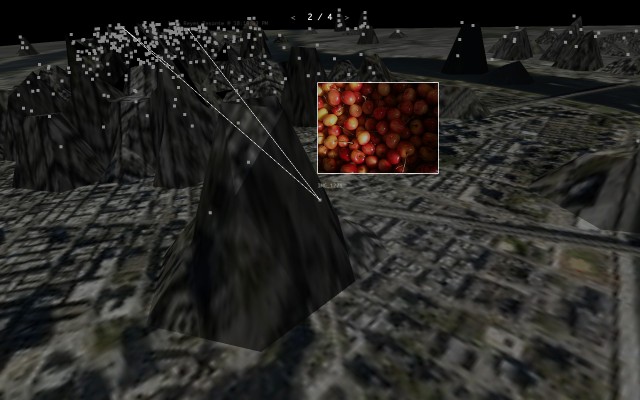
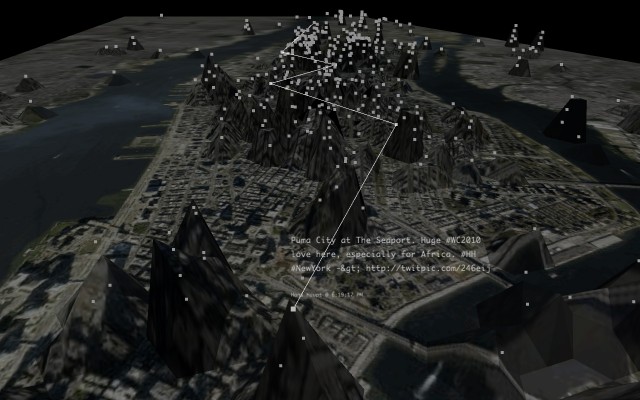
This project hit a personal interest for me because I am currently working with the topic of the modern day city and I am reading the book Invisible Cities, by Italo Calvino, which is the name sake of the project. Invisible Cities, created by Christian Marc Schmidt and Liangjie Xia, maps information that ” reveals social networks present within the urban environment.”  The project was developed in Processing and uses “realtime mapping” of  Twitter and Flickr updates to display the change in densities and geography social interactions within the city that we otherwise would not see. It will be interesting to see what applications this data may be applied to in the future. My mind first jumps to tracking, but it could also be interesting to survey this information after a long period of time to see how our interactions in this “Invisible City” change.


Invisible Cities (alpha) from Christian Marc Schmidt on Vimeo.


Touch Vision Interface [openFrameworks, Arduino, Android]_3

LookingOutwards — sarah_keeling @ 5:15 pm

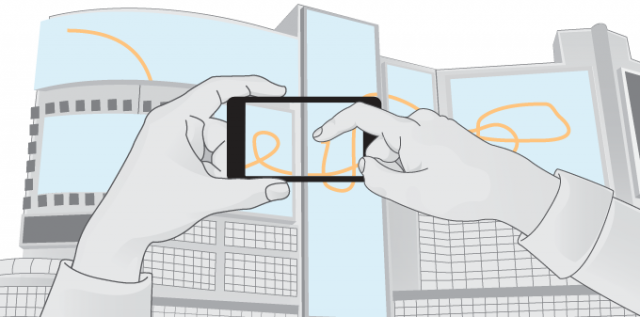
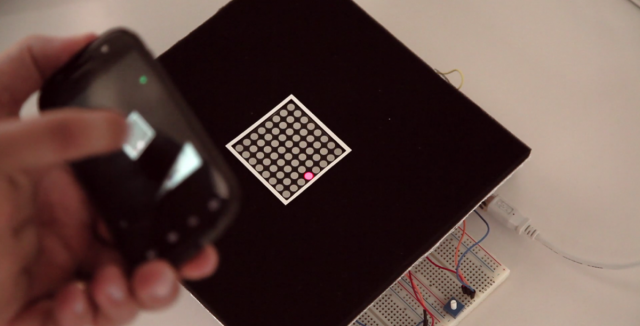
This device was created by Teehan+Lax Labs and is a combination of software and hardware to allow realtime manipulation of content on a remote device via touch interface on a mobile device. Now, users can use their mobile device screen as an input, which is known as a form of AR. The application can view its surrounding environment as well as understand it. THe creators paired the principles of AR with the touch ability on a mobile phone in order to create an entirely new interactive experience.
I thought this was an interesting development since we are getting close to learning Arduino in class. Also, the idea of linking this technology to a mobile phone could be an accessible solution for an interactive public piece.


Touch Vision Interface


Touch Vision Interface from Teehan+Lax Labs on Vimeo.

http://www.creativeapplications.net/android/touch-vision-interface-openframeworks-arduino-android/

Looking Outwards Number 2

LookingOutwards — laurie_shapiro @ 11:36 pm

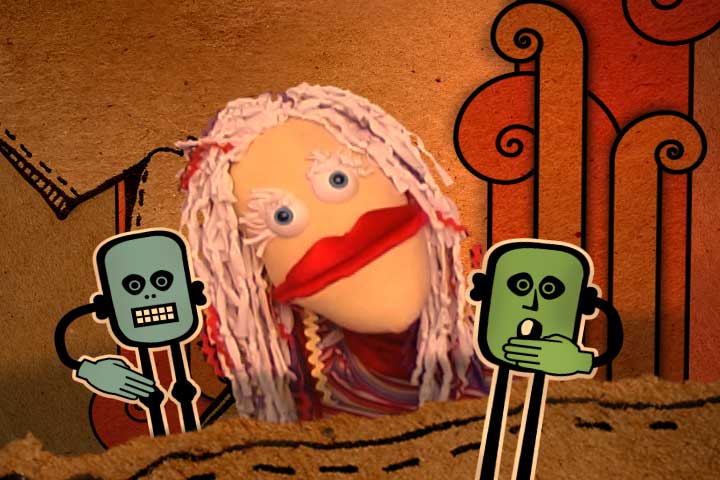
Emily Gobeille is the first name I am going to mention today.  (Sorry this is a bit late).  Anyway, Emily is a great artist and combines traditional methods with interactive computational media.  I recommend browsing around on her website – a lot of her projects just show images from stills of different projects she has done, but even the photo references are quirky and beautiful!

"The Best Fort Ever" - part of Emily's thesis project

Check out the thesis website here : http://a.parsons.edu/~emily/thesis/  (I guess she went to parsons?)  Anyway, the “animations” section shows some really nice experiments that she tried out.


_____


Jussi Angesleva and Ross Cooper are the creators of “Last Clock” – a iPAD app that uses what you are doing to show time in a more visual way.


<iframe src=”http://player.vimeo.com/video/27975734?title=0&amp;byline=0&amp;portrait=0″ width=”620″ height=”349″ frameborder=”0″ webkitAllowFullScreen allowFullScreen></iframe>

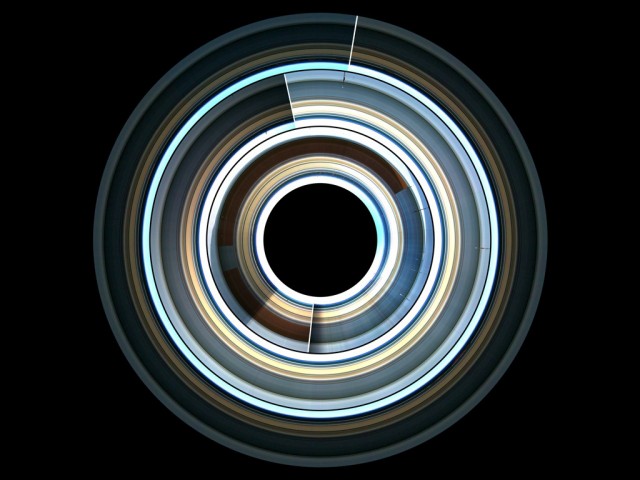
I think that the most interesting part of the clock is to compare images that it creates in different settings.  Below are images that the clock made in different places.

After a Football Game


venice beach, CA

Let the camera stair at your face, and see what your clock will look like!


_____


Paul Slocum is really into 80s technology, so he bought it an iPOD app where you can play around on a little piano.  But, this piano is more than just a piano – you can add samples from recordings and beats that are on the app.  It looks like a really fun way to make some music on your iPod.

<iframe width=”560″ height=”315″ src=”http://www.youtube.com/embed/c_mzbSKkN3s” frameborder=”0″ allowfullscreen></iframe>

 http://www.creativeapplications.net/iphone/sir-sampleton-iphone-sound/ 


—-

On a side note, I’m not sure why my video embedding isn’t working!

BioMotionLab

LookingOutwards — stephanie_shulman @ 5:30 am

This is a really awesome group of people from many academic backgrounds all coming together to learn more about the human body. They use numerous programs and tracking technologies in order to learn as much as they can about human motion and how it varies between people based on different factors such as weight, mood, and level of tension.

One of the most fun examples of this on the site is the demo for the motion. You can adjust the knobs that control factors such as gender, weight, mood, etc, and even make a parameter for yourself!

BioMotionLab.

« Previous PageNext Page »
This work is licensed under a Creative Commons Attribution-Noncommercial-Share Alike 3.0 Unported License.
(c) 2019 CMU Electronic Media Studio II, Fall 2011, Section A | powered by WordPress with Barecity